
Not all drinks are created equal when it comes to kidney health. Detailed illustration showing human kidneys with visual indicators of dehydration and stress due to alcohol consumption, set against an abstract medical-themed background. Chronic or heavy alcohol use can lead to dependence, withdrawal symptoms, memory and concentration problems, mood instability, and worsening anxiety or depression. Blood pressure medications, diabetes medications, and certain antibiotics can also interact with alcohol in ways that stress the kidneys. Even over-the-counter supplements and herbal remedies might contribute to kidney problems when combined with alcohol consumption.
Can kidney stones be prevented?
The most common examples include metformin (Glucophage), glyburide (Diabeta, Glynase), glimepiride (Amaryl), and all insulins. Less kidney pain from drinking common and usually caused by infections in the kidneys or urinary tract. They form when calcium binds with oxalate, a natural substance found in many foods.
What can I expect if I have kidney stones?
While the harmful effects of alcohol on the kidneys are a lesser-discussed topic, they are no less significant. Your kidneys deserve your care Alcoholics Anonymous and attention, so let’s raise awareness and make informed choices about alcohol consumption. It is important to avoid using alcohol when taking pain medications.
Treatments for chronic kidney disease
- It can also involve a 24-hour urine collection, where a doctor collects urine for 24 hours and examines it to find anything in the urine that might increase kidney stone risk.
- If the body does not pass the stone, a person can develop a severe infection or blockage.
- UTI symptoms include discomfort when urinating, blood in urine, dark or foul-smelling urine, abdominal or back pain, frequent urination, and/or fever.
- Your doctor may also prescribe H2 antagonists or proton pump inhibitors to lessen the production of stomach acid.
Percutaneous nephrolithotomy involves a small incision in the back to directly remove large or complex kidney stones. This procedure is typically reserved for difficult cases not resolved by less invasive methods. Pain control is crucial since kidney stone attacks rank among the most severe pains humans experience. Besides over-the-counter meds, doctors might prescribe stronger analgesics depending on intensity.
Read on to learn more about these conditions and how to treat them. Recognising symptoms early and seeking medical advice can prevent irreversible kidney damage. Chronic alcohol use interconnects with liver damage, elevating kidney disease risks. Experiencing kidney pain after alcohol consumption could signal kidney issues.
What health conditions can cause problems with gas symptoms?
You may experience this pain as a dull ache or as an abrupt, sharp, stabbing pain. It could affect one or both sides of the body and be minor or severe. Once you know what is causing your pain, your doctor can work with you to find the right treatment. Binge drinking, even occasionally, increases the risk of AKI and future CKD.
- Kidney stones can range from very tiny (smaller than a grain of sand) to larger than a pearl.
- You can also sprinkle apple cider vinegar onto salads or add it to your favorite salad dressing.
- Early intervention prevents irreversible kidney damage which might lead to chronic kidney disease requiring dialysis down the line.
- Most often the cause of a bruised or broken rib is a car accident, fall, or injury from playing contact sports, according to Mayo Clinic.
- However, too much alcohol (more than four drinks daily) can affect your health and worsen kidney disease.
- A type of chest pain caused by temporarily reduced blood flow to the heart, angina symptoms often feel similar to a heart attack, and the condition can progress to a heart attack.
It can take as long as three weeks for kidney stones to pass on their own. Even some small stones can cause extreme pain as they go through your urinary tract and out of your body. You may need a provider to break up and remove a stone that can’t pass on its own.
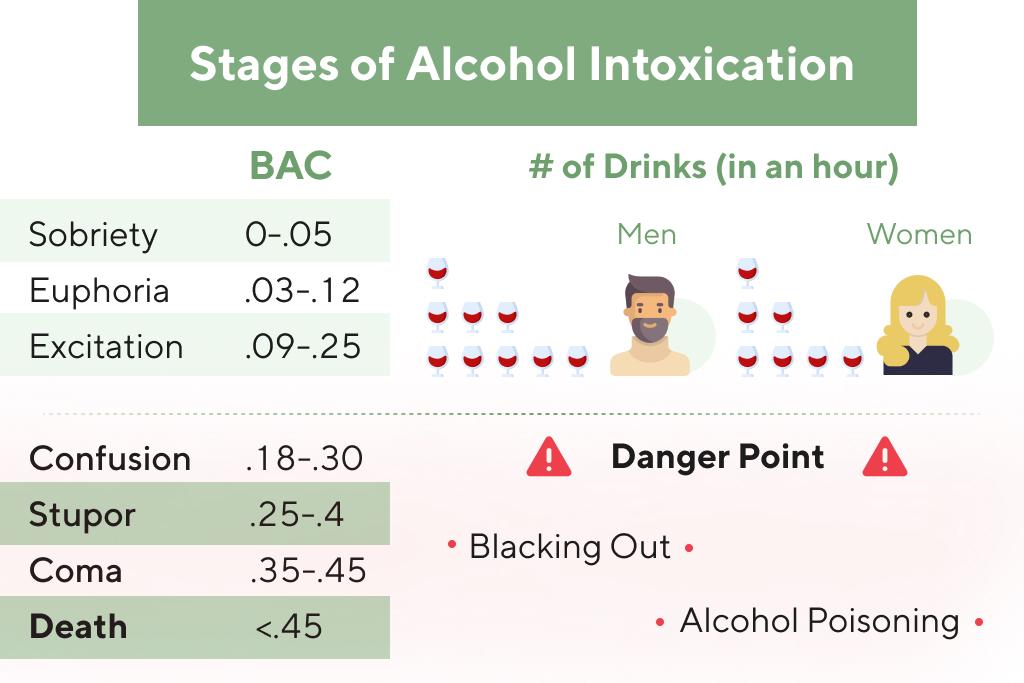
It can cause pain in your upper abdomen (on the right or left side) as well as nausea, vomiting, burping or hiccupping, and a feeling of fullness after eating. Here’s a list of some of the likeliest causes of discomfort on the right side under your ribs and when to consider seeing a doctor. Food safety refers to practices that can reduce your risk of getting food poisoning.
A kidney infection is a type of urinary tract infection (UTI) that starts in the urethra or bladder and moves to one or both kidneys. The symptoms and severity of a UTI may get worse after drinking alcohol. Drinking alcohol may exacerbate the signs and symptoms of a urinary tract infection.
Try to avoid sodas (especially those with high amounts of fructose), sweetened iced tea and grapefruit juice. If you think you have a kidney stone, make sure a provider evaluates you to check for blockages or other complications. It’s important to follow up https://osteriamoderna.no/alcohol-drug-detox-at-hillside-healthcare-in/ with your healthcare provider if you don’t pass the stone within four to six weeks. Larger stones need treatment depending on their size, location, whether they’re causing infections or symptoms, and other factors.
If your pain gets worse, or you have other symptoms like a fever or blood in your urine, seek medical attention right away. Moderate drinking is less likely to cause kidney pain, but individual sensitivity varies. Staying hydrated and avoiding excessive intake can minimize risks. Signs include kidney pain, swelling in the legs or face, changes in urination (e.g., blood in urine, reduced output), fatigue, and nausea.

What is Molly? A Comprehensive Guide to MDMA, Its Effects, and Risks
The challenge lies in the fact that many people take medications regularly without considering how they might interact with their drinking habits. Always consult with healthcare providers about potential interactions, especially if you notice kidney pain after drinking while taking any medications. Many people don’t realize that common medications can interact dangerously with alcohol to increase kidney pain risk. Pain relievers like ibuprofen, naproxen, and aspirin can reduce blood flow to the kidneys when combined with alcohol, increasing the risk of kidney injury. High blood pressure, a common consequence of regular heavy drinking, further accelerates kidney damage. Your kidneys help regulate blood pressure, but damaged kidneys struggle with this function, creating a vicious cycle where elevated blood pressure causes more kidney damage.
No Comment
You can post first response comment.